
Preparing for Iowa Winters
As the temperatures drop in Council Bluffs, driving conditions change rapidly. Many drivers assume their standard tires are sufficient, but the reality of an Iowa winter often demands more. Finding the right equipment for your vehicle is crucial for safety on icy roads and unplowed side streets.
The Difference Between All-Season and Winter Tires
While all-season tires are designed to handle a variety of conditions, they begin to harden when temperatures drop below 45 degrees Fahrenheit. This hardening reduces traction significantly. Conversely, the best winter tires are made with specialized rubber compounds that remain flexible in freezing temperatures, allowing for better grip on ice and packed snow.
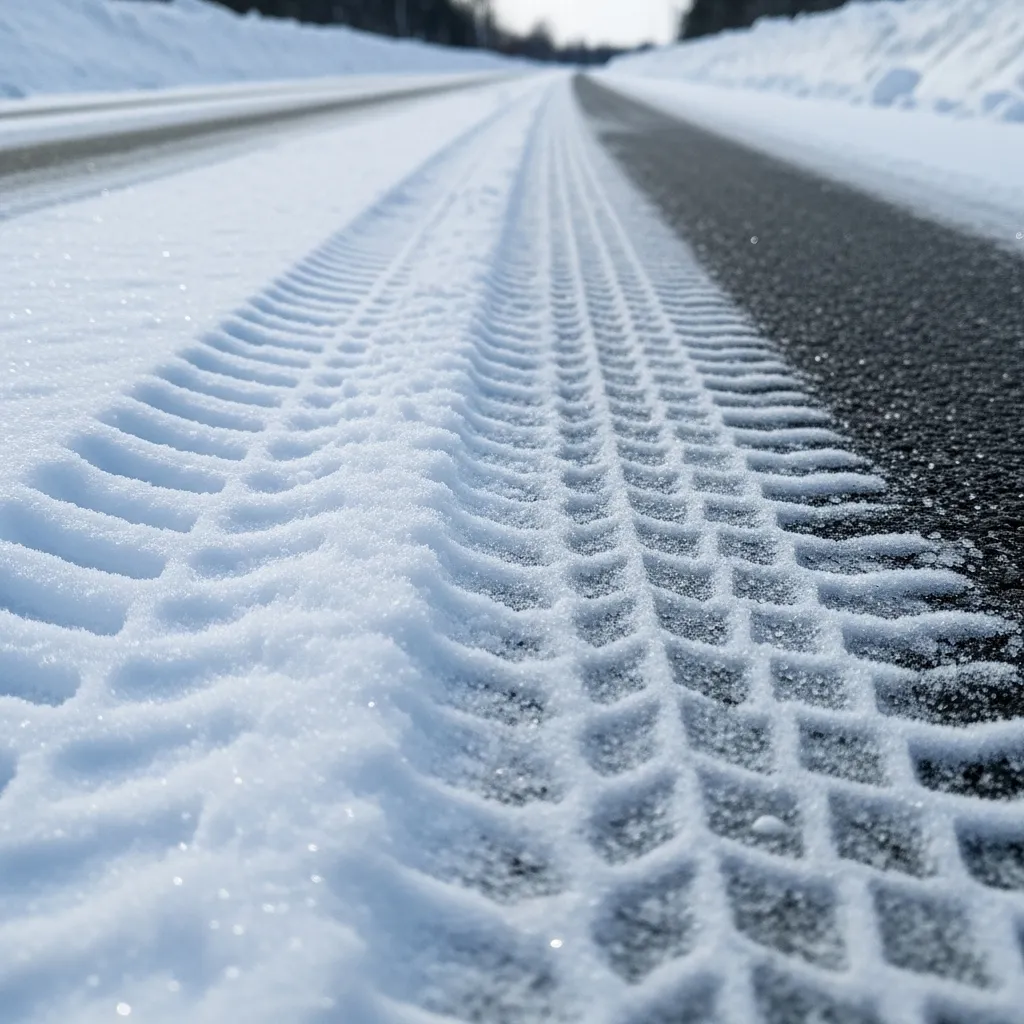
If you are looking for a tire shop near me to discuss your options, it is important to ask about tread patterns. Winter tires feature deeper treads and unique biting edges called sipes, which help channel slush away and grip the road surface more effectively than standard touring tires.
When to Make the Switch
Waiting until the first blizzard is often too late. We recommend installing winter tires in late autumn before the first deep freeze. This ensures you are prepared for black ice and early morning frosts. At Midwest Tire Council Bluffs, we can help you assess the condition of your current set and recommend the right seasonal replacement.
Driving on proper tires isn't just about getting moving; it is about stopping safely. The braking distance on snow is significantly shorter with dedicated winter rubber compared to standard tires. Come see us today to prepare your vehicle for the season ahead.